Effective Strategies for Mouse Poison Control


Intro
When it comes to maintaining a healthy and safe living environment, understanding the intricacies of rodent control is essential. Mice can be more than just tiny intruders – they can spread diseases and cause significant property damage. Thus arises the question: how do we effectively manage these unwelcome guests while ensuring safety for our families and pets? This guide will take you on a detailed journey through the world of strong poisons used for mice, shedding light on their effectiveness, safety considerations, and viable alternatives.
In this section, we will focus on identifying the pests you are most likely to encounter in your home, alongside practical methods to prevent further infestations. By arming yourself with knowledge, you can assure a higher chance of maintaining a rodent-free home.
Pest Identification
Identifying the specific type of pest can significantly improve your approach to pest control. Different mice species come with unique behaviors and habitats. Failing to accurately identify your rodent can lead to ineffective treatments and wasted resources.
Common Household Pests
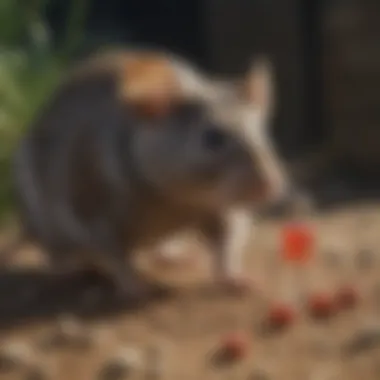

- House Mouse: Usually gray or brown with a slightly lighter underside, the house mouse is one of the most common pests in urban settings. Their small size allows them to fit into tight spaces with ease.
- Deer Mouse: These are often found in rural areas and characterized by their large eyes and bi-colored tails. Unlike house mice, deer mice can transmit hantavirus, making them particularly concerning for health.
- Field Mouse: Similar to the house mouse but typically has larger ears and a longer tail. They are more common outdoors but can invade homes.
Signs of Infestation
Recognizing the signs of mice in your home early can prevent larger infestations. Common indicators include:
- Droppings: Small, dark pellets found near food sources or nesting areas.
- Gnaw Marks: Damaged wood, wires, or food packaging can indicate gnawing behavior.
- Nesting Materials: Shredded fabric or insulation found in hidden corners or behind appliances.
- Nocturnal Sounds: Scratching or skittering noises may suggest that mice are active at night, when they feel safe to roam.
Effective pest identification is the first key to effective control. Knowing exactly what you're dealing with helps you choose the right course of action.
Prevention Methods


Once you've identified the intruders, the next step is preventing their presence in your home. Not only are strong poisons sometimes necessary, but preventive measures are paramount in reducing possible infestations before they even begin.
Environmental Modifications
- Seal Entry Points: Inspect your home for holes or cracks. Seal any gaps larger than a dime with materials such as steel wool, caulk, or expanding foam.
- Manage Food Sources: Store food in tightly sealed containers and dispose of trash regularly to reduce food accessibility.
- Remove Clutter: Keeping spaces organized will deter mice from creating nests, as they look for hidden and quiet places.
Home Maintenance Tips
Regular maintenance is an effective way to keep pests at bay. Here are some practical tips:
- Fix any leaks, as standing water attracts pests.
- Maintain the yard by trimming bushes and grass, which can provide a shelter.
- Install door sweeps and window screens to prevent entry.


By focusing on these proactive strategies, you will not only dissuade mice from entering but also enhance the overall livability of your home.
DIY Pest Control Solutions
If you enjoy taking matters into your own hands, there are plenty of DIY options to consider. Not the least of which involve natural remedies and homemade traps designed to tackle the problem without relying solely on commercial poisons.
Natural Remedies
- Peppermint Oil: The scent of peppermint is known to repel mice. Soak cotton balls in peppermint oil and place them in any suspected entry points.
- Vinegar and Water Spray: A mixture of vinegar and water can deter pests from certain areas. Spray it around potential entry points to keep them at bay.
DIY Traps and Barriers
Crafting your own traps can be surprisingly effective. Simple designs like using a bucket and a ramp with bait can catch unsuspecting mice. Here’s a basic idea:
- Take a bucket and fill it halfway with water.
- Create a ramp with cardboard leading up to the top of the bucket.
- Place bait like peanut butter or bread at the end of the ramp.
- When the mouse climbs up, it will slip into the bucket and drown.